Oaxaca: The Sacred Smoke, Heirlooms, and Ancestral Clay
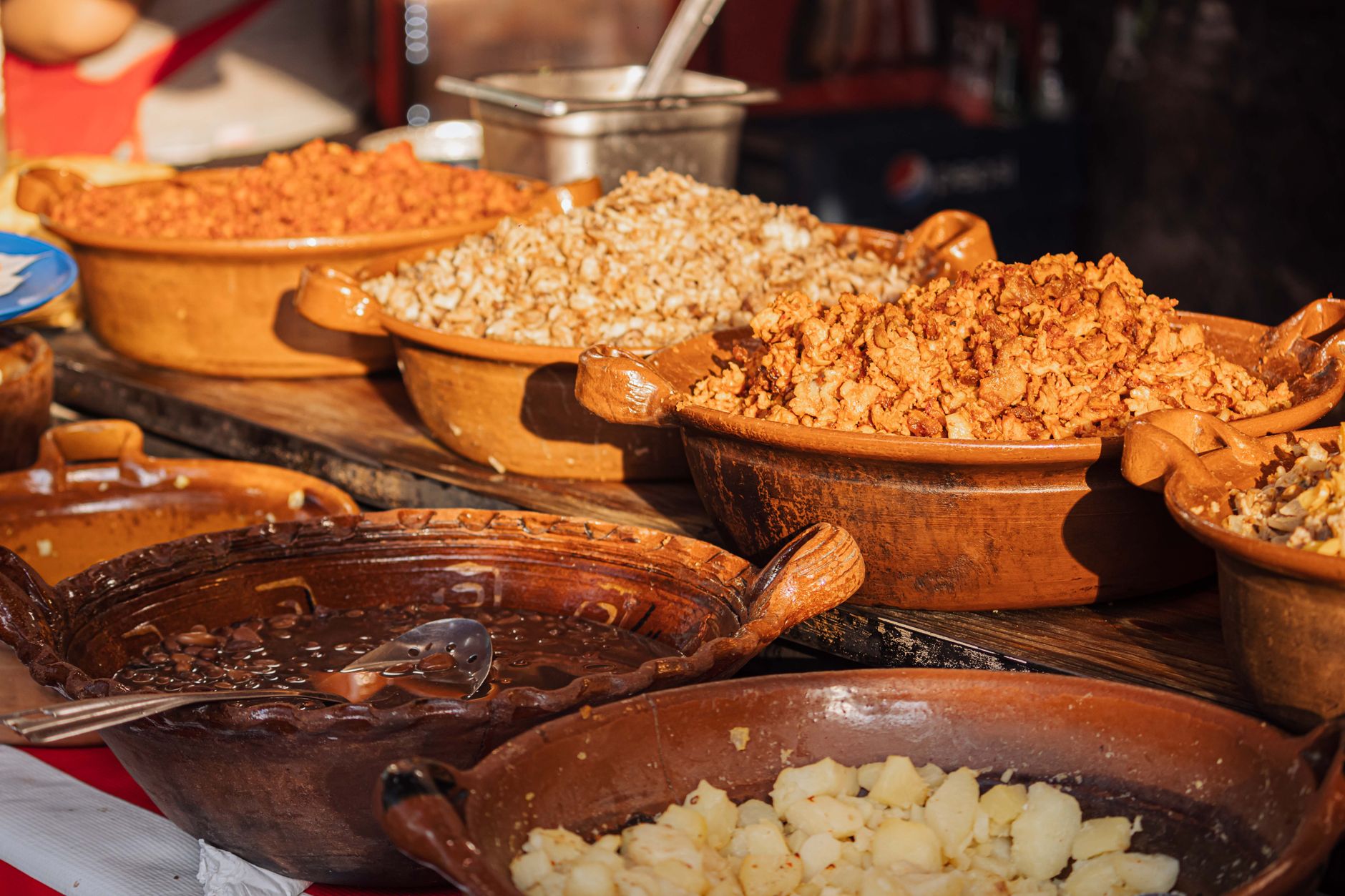
"In Oaxaca, food is not an industry; it is a spiritual dialogue with the soil and the memory of grandmothers."
The Soul of Nixtamal
In the quiet morning light of the Tlacolula valley, the rhythmic pat-pat-pat of women hand-shaping tortillas echoes through cobblestone courtyards. The maize used here is not the uniform yellow grain of commercial agriculture. It is bolita, chalqueño, and olotillo—kernels colored in deep ruby, obsidian black, and ivory white.
Nixtamalization with wood ash and local limestone softens the outer hull, releasing nutrients and creating a fragrant dough that has nourished Mesoamerican civilizations for millennia.
The Seven Moles
To understand mole negro is to appreciate culinary alchemy. Over three days, chilhuacle chiles are slowly blackened, combined with plantains, raisins, Mexican chocolate, avocado leaves, and over twenty indigenous aromatics. Each stir of the heavy clay cazuela harmonizes bitter, sweet, pungent, and earthy notes into a complex symphony.
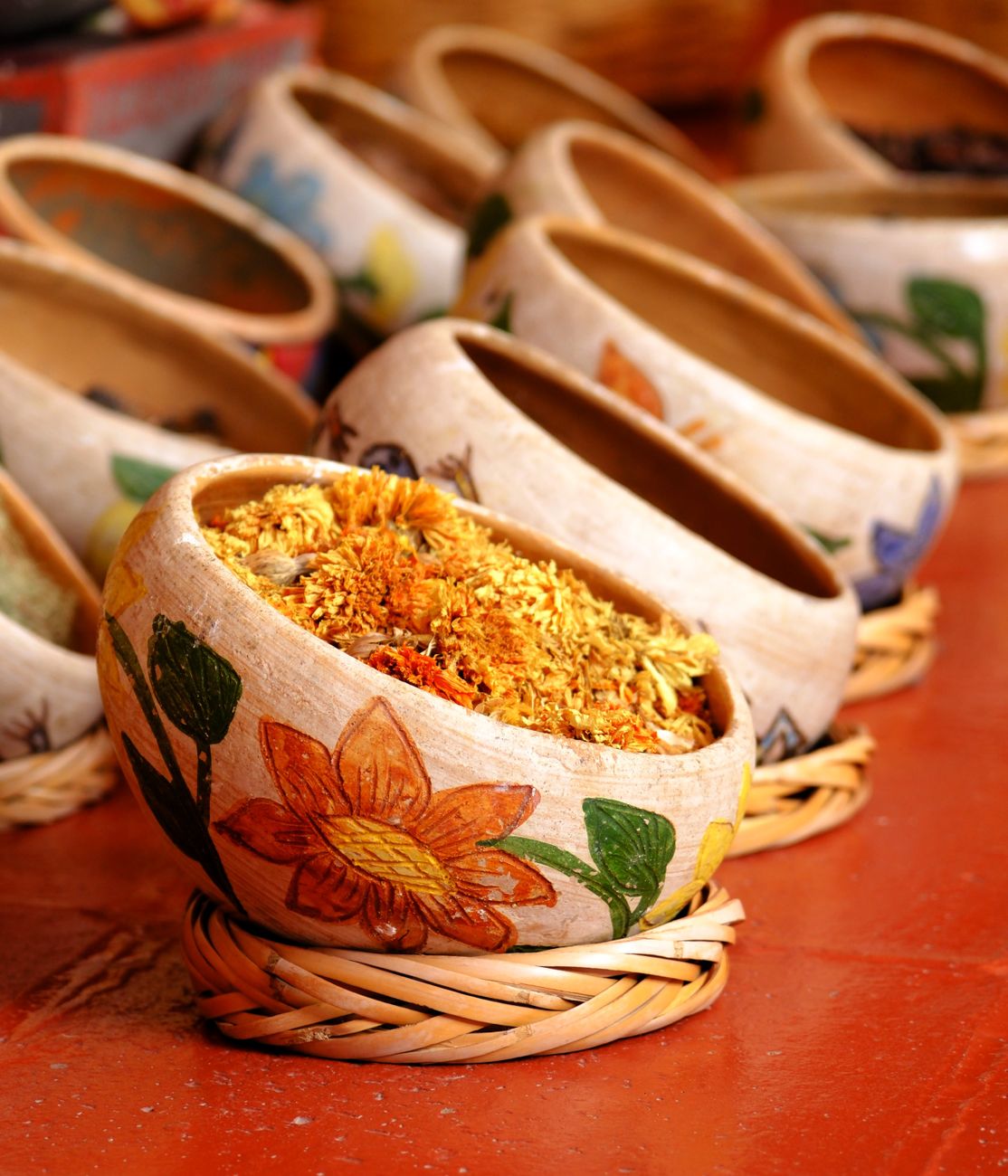 Ancestral black clay vessels crafted in San Bartolo Coyotepec
Quiet Palenques
Away from the tourist-heavy tasting rooms of downtown Oaxaca, the real heart of mezcal beats in small family palenques in the Sierra Sur mountains. Here, wild tobalá and tepeztate agaves take twenty-five years to mature under the hot sun. They are roasted in earthen pits, crushed by horse-drawn tahona stones, and distilled in ancient clay stills. Sipping it neat is like drinking the earth itself.
Join Our Gastronomy Curation
Experience private culinary field trips led by master cooks and mezcal distillers.
Inquire About Gastronomy