The Solitude of Kyoto Ryokans: Tatami, Cedar, and Stillness
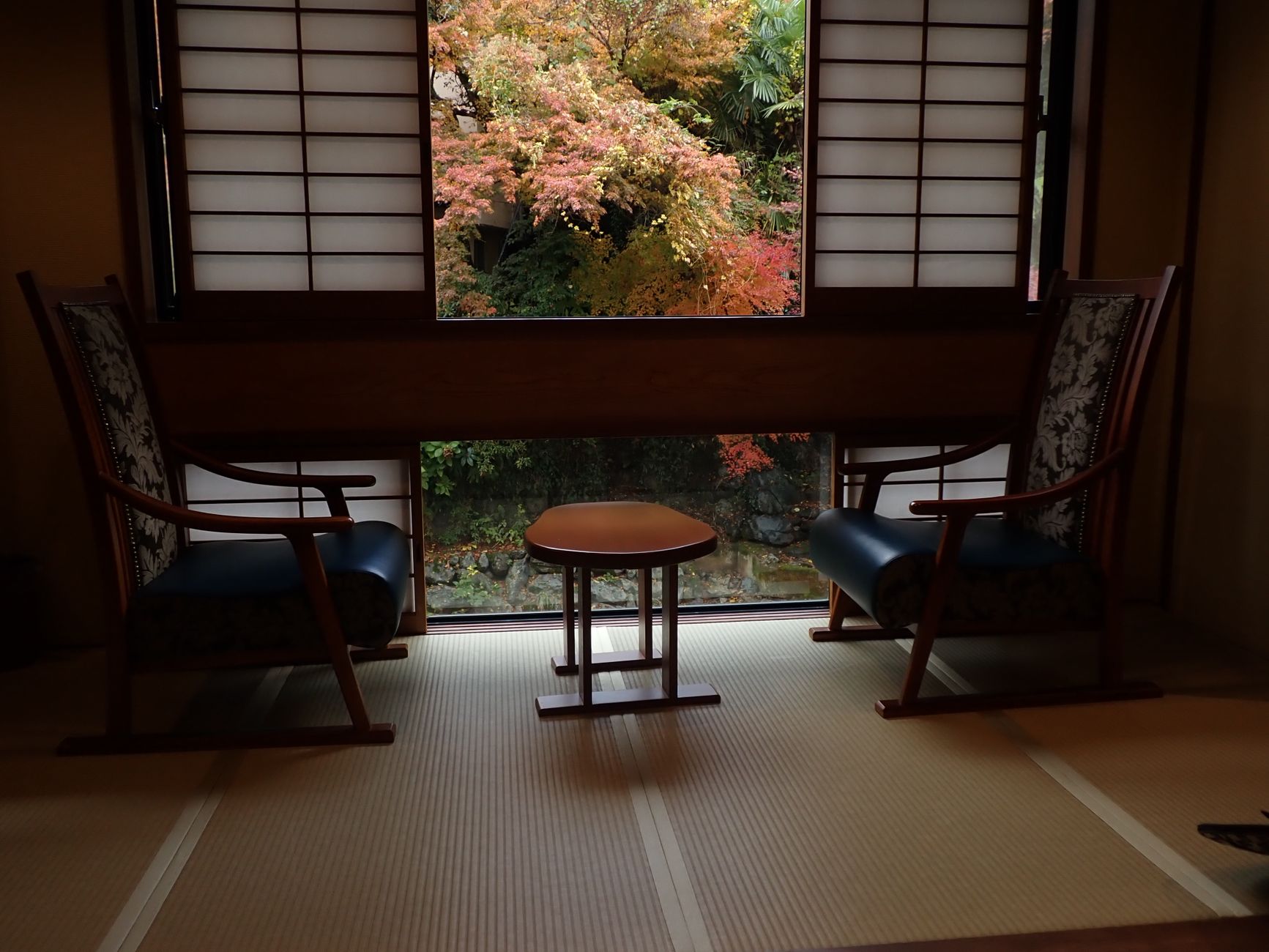
"In Kyoto, time does not pass in digital hours. It slides smoothly across freshly woven igusa grass like afternoon shadow."
The Morning Rhythm
Stepping out of the bustling corridor of Kyoto Station and into the quiet suburban enclave of Takagamine feels less like a geographic transfer and more like an acoustic deceleration. The roar of commuter trains fades, replaced by the faint trickle of bamboo pipes funneling hillside water into moss-lined stone basins.
At Ryokan Taishokaku, footwear is relinquished at the threshold. In its place, smooth wooden floors polished by a century of linen cloths receive bare feet with comforting warmth. There are no televisions, no intrusive alarms; only the soft sliding of shoji screens when your hostess arrives bearing freshly whisked uji matcha and seasonal confectionery.
Architecture of Scent
What strikes the traveler first is the aroma of Hinoki cypress. In the deep ofuro tub, the hot thermal water releases cedar oils that cling to the vapor. It is a sensory cleansing that recalibrates the nervous system after long international flights. The architecture intentionally frames the exterior courtyard: every sliding panel acts as a viewfinder capturing a solitary maple branch or carefully raked river gravel.
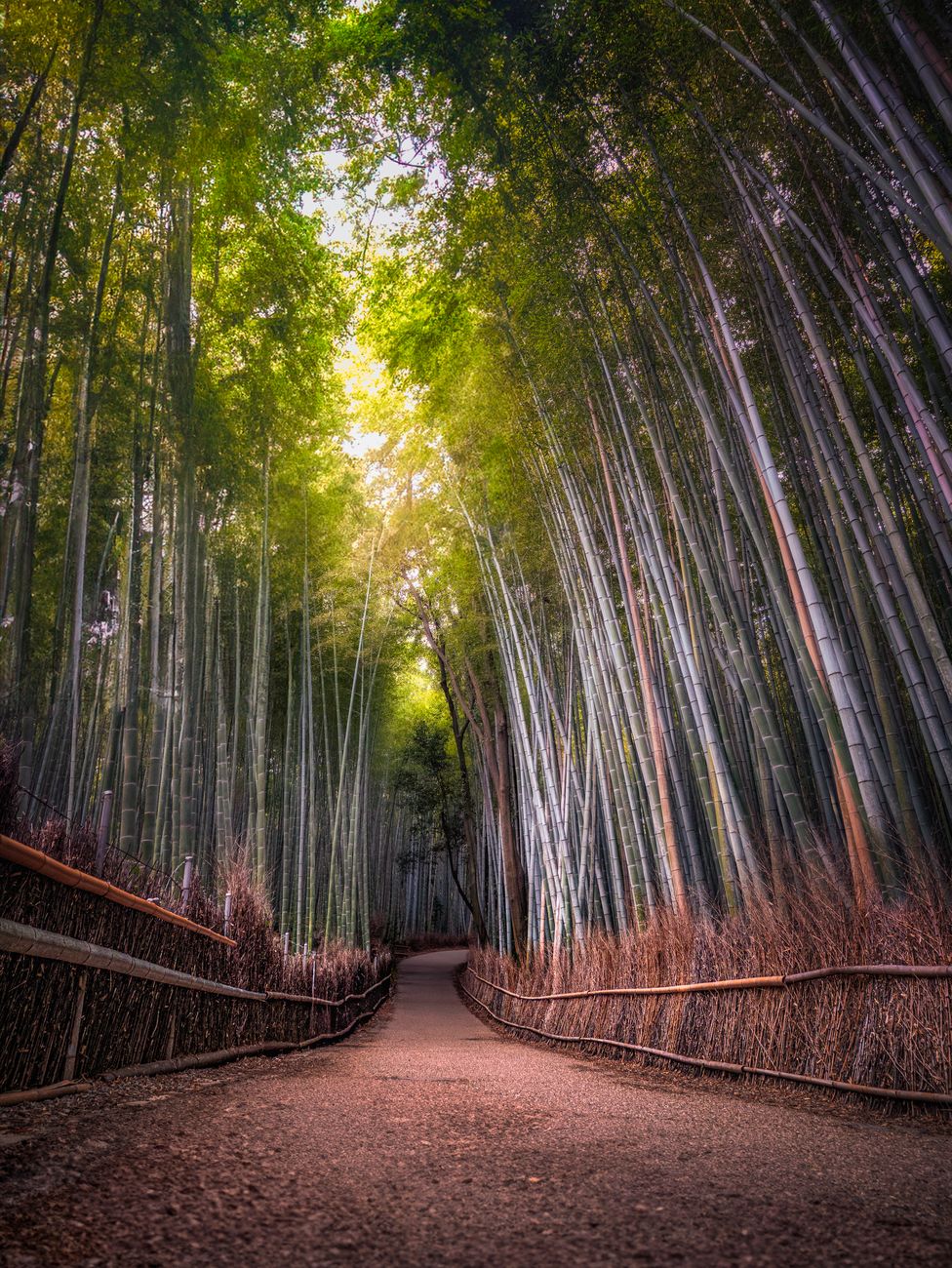 The morning light breaking through private bamboo gardens in northern Kyoto
Kaiseki Seasons
Dinner is served course by course within the guest's private chamber. Each ceramic vessel—some dating back to the late Meiji era—reflects the exact micro-season of the month: wild mountain bamboo shoots in early spring, sweet river ayu grilled over binchotan charcoal in summer, and rich persimmon coulis in autumn. Here, dining is neither entertainment nor mere nourishment; it is an intimate meditation on transience.
Plan Your Journey With Us
Our editors craft private itineraries for travelers seeking quiet Japanese sanctuaries. Speak with our curatorial desk.
Consult An Editor